MCM Wall Panels — Modified Clay Material Cladding
Modified clay material wall panels combining flexible construction with stone, concrete, wood, and other decorative finishes.
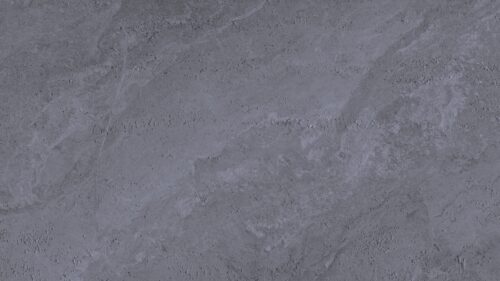


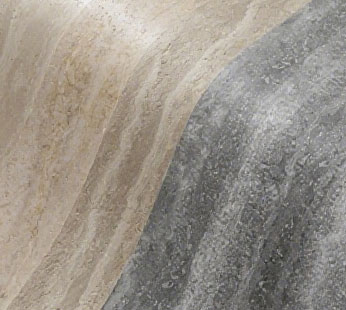
An MCM wall panel is a thin, flexible soft-porcelain sheet finished with water-based, inorganic, firing-free inkjet printing. It reproduces natural stone, travertine, and textured concrete.
The clay base allows the panel to flex around curved or irregular walls. Its composition is explained in modified clay material.
The two “MCM” categories differ at the core:
Metal MCM/ACM bonds aluminum, zinc, copper, or titanium skins to a polymer core. Angtai's mcm modified clay material is a single soft-porcelain sheet with a mineral-based surface finish — no metal skins.
Aluminum composite sheets are engineered to stay flat, which suits straight rainscreen runs but not curved facades. Modified clay panels are made to bend around columns and irregular walls without cracking.
Aluminum systems typically use routed clips, tracks, or rivets. Modified clay panels are adhered directly to a prepared substrate.
Aluminum MCM offers coil-coated colors and metallic finishes; modified clay MCM reproduces stone, travertine, slate, and textured concrete surfaces.
Weight, flexibility, and installation trade-offs across veneer and composite materials are broken down in MCM vs. other cladding materials. Fire performance for clay-based panels is confirmed against project-specific building codes rather than a single blanket rating; non-combustible cladding explains what that classification requires and how it's verified.
Even, minimalist surface for clean facade lines.
Raised, tactile finish that reads as natural stone from a distance.
Light-reflective finish for lobbies and feature walls.
Lightweight core suited to large-format cladding runs.
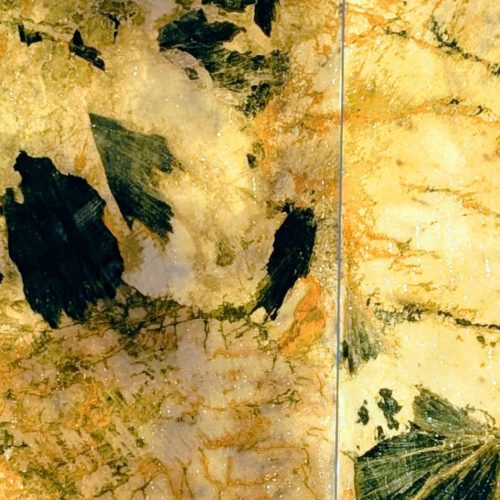
Round out the collection with stone-specific veining and pattern detail for facades, lobbies, and reception walls.
| Spec | Value |
|---|---|
| Standard sizes | 1200×2400 mm, 1200×3000 mm, 600×1200 mm, 600×2400 mm, 600×3000 mm |
| Temperature tolerance | -40°C to 150°C |
| Wear resistance | Grade 4 |
| Surface behavior | Self-cleaning, rain-washable, low maintenance |
| Additional properties | Antibacterial, freeze-resistant, flexes around curves without cracking |
Before applying adhesive, substrates must be level, clean, dry, and free of dust, oil, or loose particles. Uneven or porous walls require a solid interface coat first; otherwise, adhesion and finished flatness may be affected.
Adhesive application and curing follow standard trade practice for the substrate type. Full steps are covered in the installation guide. Damaged panels are handled case by case through after-sales support rather than blanket field patching, so identify impact-prone edges and corners at the quote stage.
Common applications for MCM wall panels including exterior facades, curved walls, interior feature walls, and high-rise recladding.
rainscreen and ventilated facade installs typically run 1200×2400 mm or 1200×3000 mm panels over concrete or cement board substrates; rainscreen cladding systems covers the assembly detail behind the panel.
column wraps and radius walls rely on the panel's ability to flex over concrete, OSB, or metal substrates without cracking; the curved wall applications guide details substrate prep for radius work.
lobby, reception, and retail installs typically use 600×1200 mm or 600×2400 mm panels adhered directly to prepped cement board or existing tile; the interior applications guide details substrate prep for those settings.
facade-refresh projects reclad directly over existing aluminum-plastic panel or calcium-silicon board substrates without stripping the underlying structure; the exterior cladding guide details recladding substrate prep.

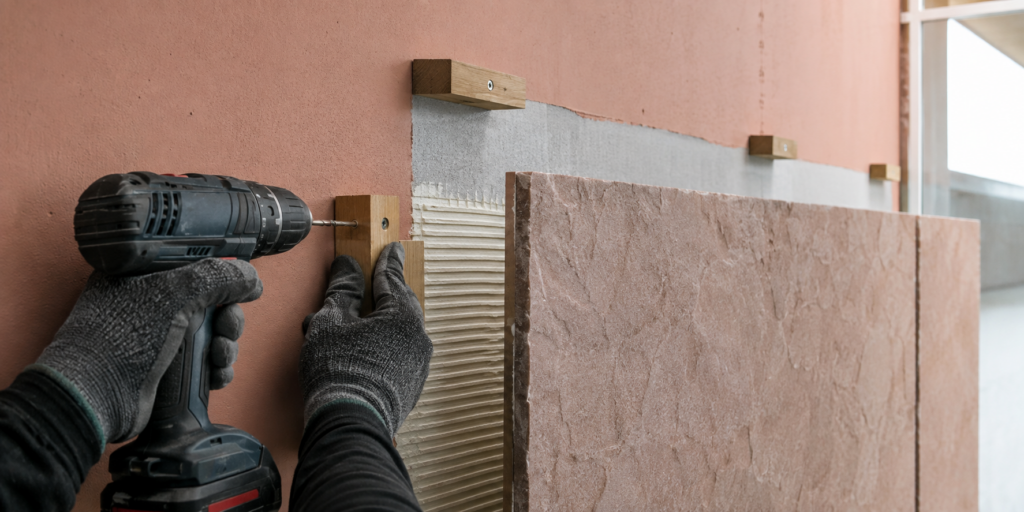
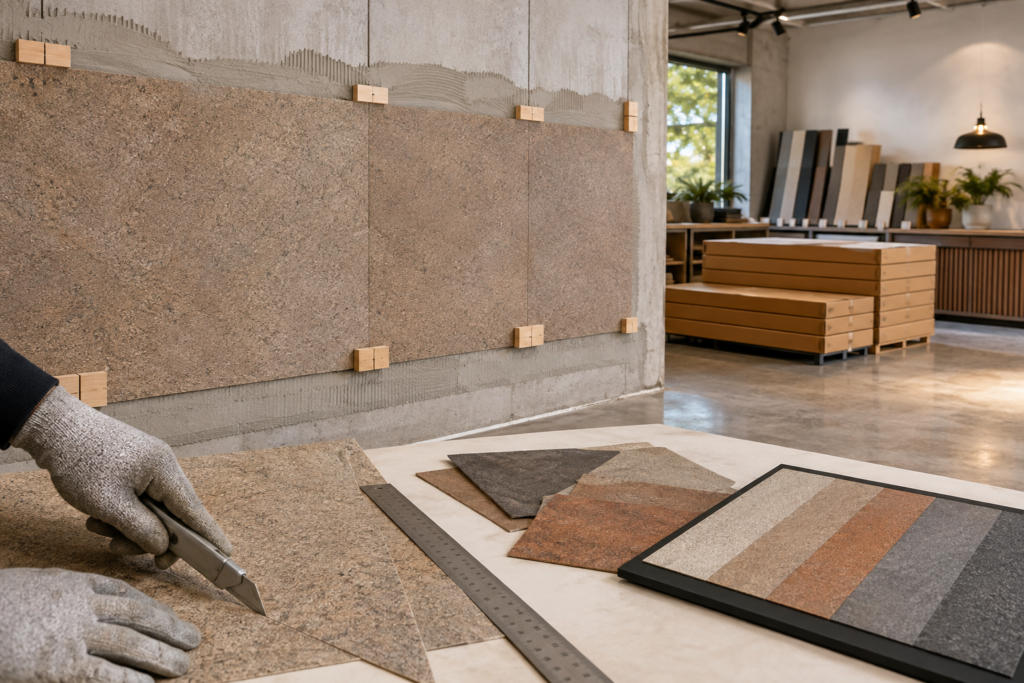
Modified clay MCM panels adhere directly to prepared concrete, cement board, OSB, aluminum-plastic panel, calcium-silicon board, or metal substrates — no routing, clips, or rivets. Edges are trimmed on-site with a blade and temporarily fixed with wood blocks or gas nails until adhesive sets.
Angtai turns quotes around within 24 hours, ships free samples once pricing is confirmed (buyer covers courier cost), and produces full orders in 25–30 days. Payment is accepted by T/T or L/C. What drives cost across sizes and series is broken down in MCM panel price.
Send your project size, substrate, and preferred series and Angtai will return a quote response typically within one business day after complete project details are received, with OEM/ODM options available for private-label distributors.