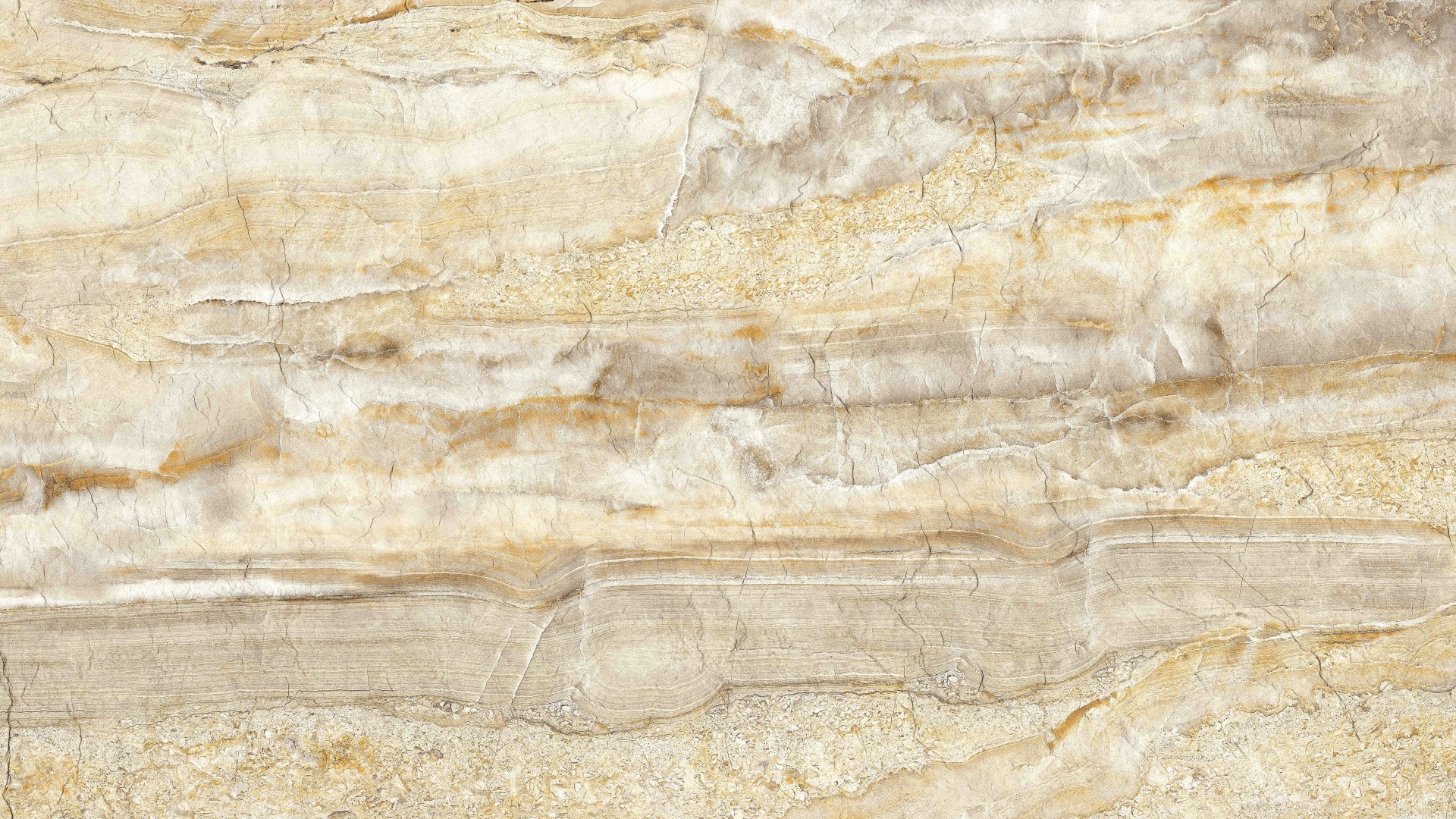
Slate Veneer Stone Panels — Flexible, Lightweight Slate-Look Cladding Featured Image

Slate Veneer Stone Panels — Flexible, Lightweight Slate-Look Cladding

This slate veneer stone panel is a soft-porcelain (flexible stone) sheet, not quarried slate: the color and cleft texture are reproduced with water-based, non-fired inorganic ink on a bendable stone substrate. That construction is what makes these flexible slate panels workable on curved walls, high-rise facades, and other jobs where real quarried slate is too heavy or too rigid to install. As thin slate veneer sheets go, this format ships flat, cuts on site with standard tools, and bonds directly to common substrates without adding structural load.

Size 1200×2400 | 1200*3000 | 1200*2900 | 600*1200 | 600*2400 | 600*3000 mm
Thinckness 3.30-4.15 mm
Model 01WL601299
Temperature tolerance-40°C to 150°C
Wear resistanceGrade 4
Outdoor color retentionManufacturer-rated for 20+ years without fading under typical sun and weather exposure
Fire resistanceFire-resistant surface, manufacturer-rated; no independent fire-rating certificate is published for this panel
Antibacterial surfaceManufacturer-stated antibacterial surface treatment; no independent certification is published
Surface behaviorSelf-cleaning, rain-washable, low-maintenance

01WL601299 is the slate colorway currently in production. Other patterns within the Slate series exist but aren't listed with fixed model numbers here — send project details through Request a Quote and current slate options will be confirmed against your size and finish requirements.

The inkjet-on-flexible-stone process behind this slate finish — how the ink bonds to the substrate and why it holds color and texture over time — is broken down at Soft Porcelain / MCM Material.

Key Advantages of Slate-Look Flexible Stone

Bends around curves and irregular surfaces

without cracking, unlike a rigid slate slab.

Freeze-thaw resistant

holding up through repeated winter cycles without surface failure.

Installs by direct adhesive application

no structural reinforcement, mechanical anchors, or furring required.

Rain-washable, self-cleaning surface

reduces facade upkeep versus porous natural stone.

Where flexible stone panels fall short compared to natural stone — impact resistance, repair methods, and other honest trade-offs — is detailed at Flexible Stone Wall Panel Pros And Cons.

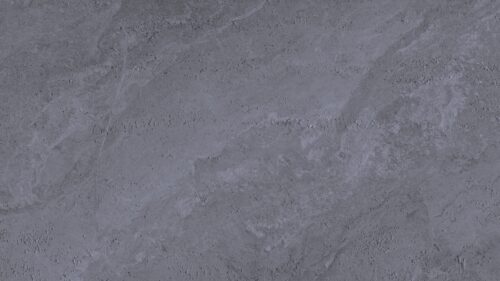
dark gray textured stone surface

Where Slate Veneer Panels Are Used

Slate-look flexible slate panels go on interior feature walls, exterior facades, and hospitality, exhibition, and museum projects where a slate finish needs to read consistently across large or curved surfaces. Because thin slate veneer sheets carry so little dead load, they also work on high-rise elevations where full-thickness stone would exceed structural limits. Application-specific detail lives at Interior Stone Wall Panels and Exterior Stone Wall Panels for Facades & Outdoor Cladding. Buyers comparing formats before committing to slate can also review stone sheets, thin marble options, and thin stone options from the same flexible-stone line.

Installation & Substrates

These panels install by direct adhesive application — no structural reinforcement, mechanical anchors, or furring required. They bond to concrete, cement board, OSB, aluminum-plastic panel, calcium-silicon board, and plate metal, provided the substrate is level, clean, dry, and free of dust, oil, and loose material; a wall solid layer or interface agent goes on first over smooth surfaces to improve adhesion. The full step-by-step sequence — adhesive application, positioning, temporary fixing, edge trimming, and cleanup — is laid out in the Angtai Flexible Stone Installation Guide.

Diagram showing Angtai flexible stone installation layers held by a hand.

How to Order

The process runs: inquiry → custom solution → order confirmation → production (typically 25–30 days, depending on order volume) → shipment → after-sales support. Quotes come back within 24 hours of an inquiry, and free samples are available once pricing is confirmed — the customer covers express shipping. Payment is accepted via T/T or L/C. Panel size, order quantity, and finish all move the final number; the specific factors that drive cost on flexible slate panels are broken down at Flexible Stone Price.

FAQ

What are slate veneers?
A slate veneer is a thin decorative surface built to look like natural slate without the weight of quarried stone. This version is soft-porcelain (flexible stone) with an inkjet-printed slate pattern on a bendable substrate — not cut natural slate.
What are the disadvantages of stone veneer?
Traditional thin-cut stone veneer can crack under flex or impact and still adds real weight to a wall. Flexible soft-porcelain avoids both failure modes by bending instead of cracking, though it trades some of the tactile "real stone" feel — the full comparison is at Flexible Stone Wall Panel Pros And Cons.
Is slate stone expensive?
Cost depends on panel size, order volume, and finish rather than a single catalog price. Angtai quotes factory-direct within 24 hours of an inquiry, with free samples available once pricing is confirmed (customer covers shipping).
Is stone veneer cheaper than stone?
Generally yes: a thinner, lighter panel needs no structural reinforcement and installs faster than full-thickness quarried stone, which typically lowers total installed cost — though the exact saving depends on the project.
Select Your Language