Natural Stone Thin Veneer

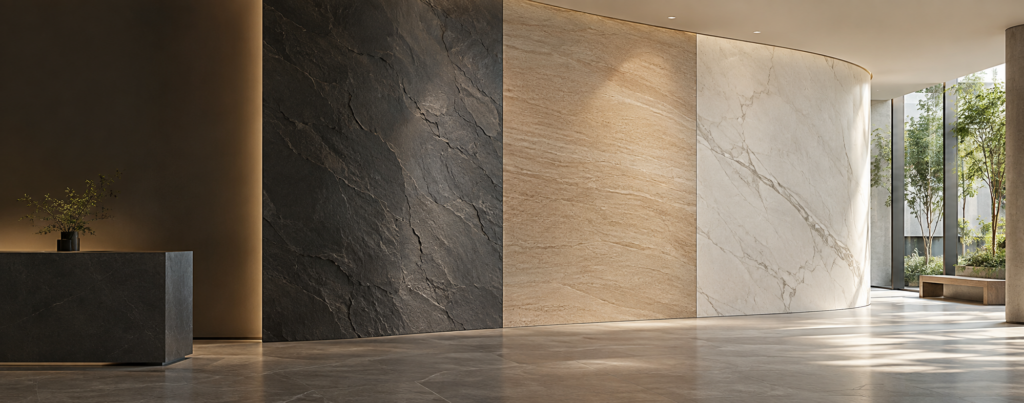
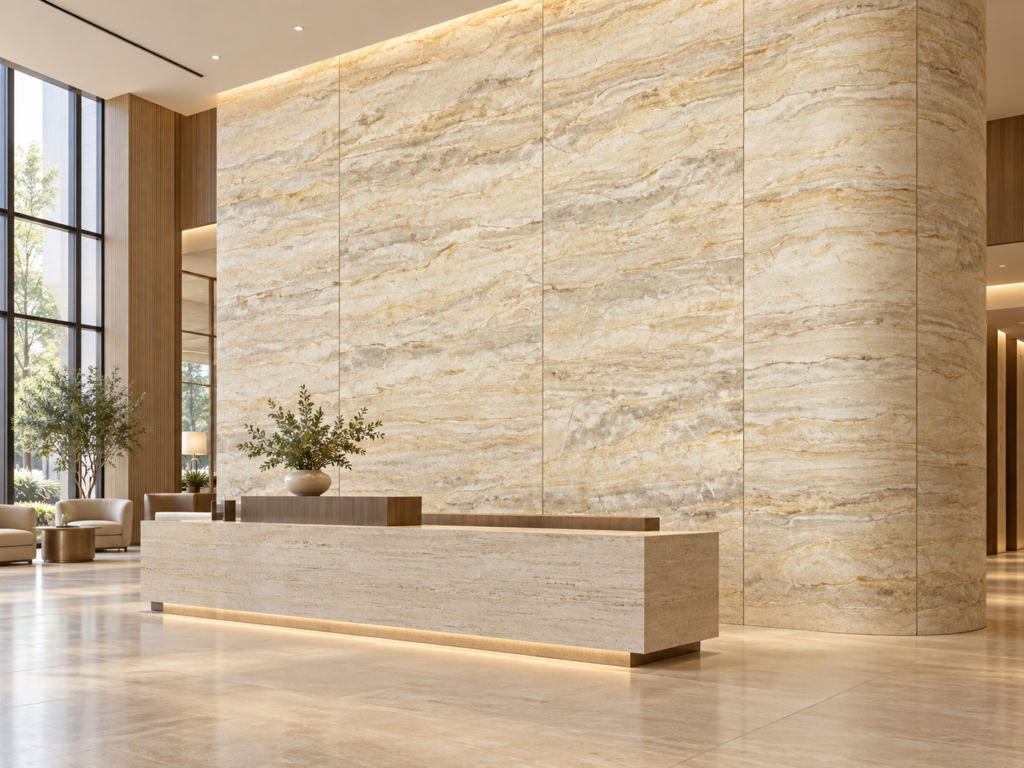
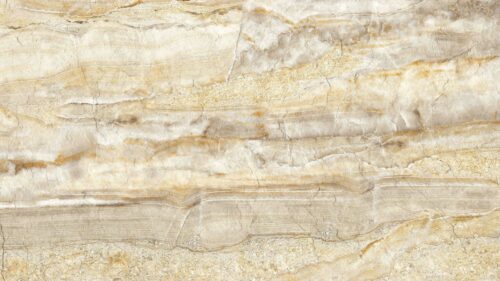
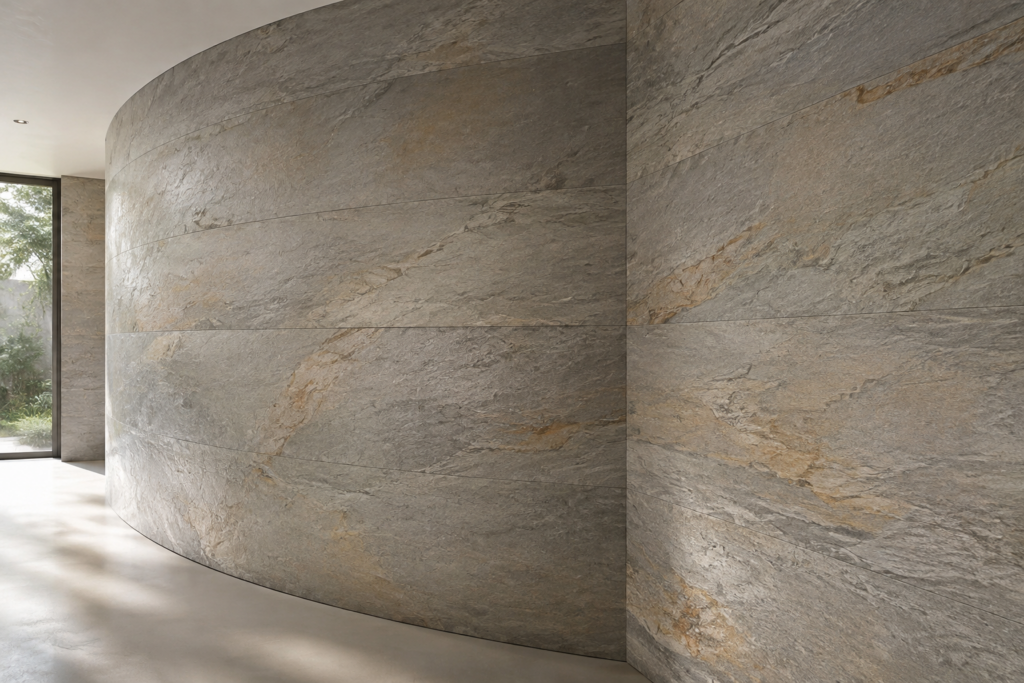
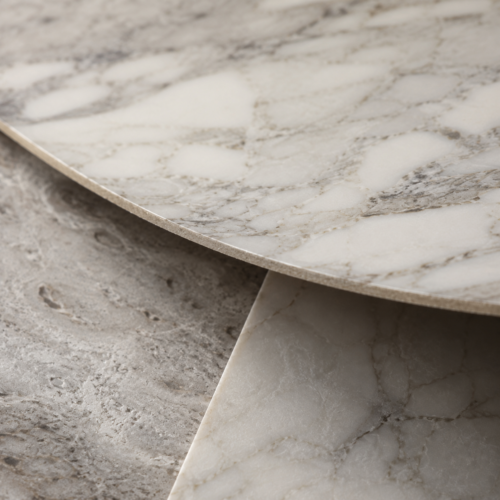
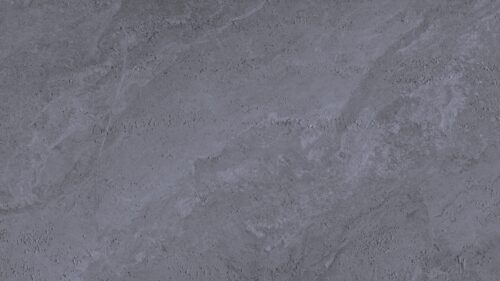
Natural stone thin veneer usually means quarried stone cut to a reduced profile. Angtai offers a different route: flexible soft-porcelain (MCM) panels with water-based, inorganic, firing-free inkjet surfaces in marble, sandstone and slate looks for interior walls, facades and curved cladding.
Specification
Type
  • Luminous Series
  • Textured Series
  • Smooth Series
  • Foamed Ceramic Series
Color
  • Black
  • Pink
  • Brown
  • Multi-color
  • Grey
  • Beige
  • Red
  • White
  • Orange
  • Yellow
  • Green
Size
  • 1200×2400
  • 1200*3000
  • 1200*2900
  • 600*1200
  • 600*2400
  • 600*3000
MATERIAL BASICS

What Is Natural Stone Thin Veneer?

Natural stone thin veneer generally refers to genuine stone cut or split to a thinner profile for wall cladding. It retains the natural variation of quarried stone, but the project still needs to account for weight, handling, substrate strength, cutting and installation conditions.

If you are comparing genuine stone with lighter cladding materials, see the guide to thin stone veneer vs alternative materials. It explains where natural stone, thin veneer and flexible stone-look panels differ in material, handling and application.

Angtai uses a different production route. The panels combine a flexible soft-porcelain/MCM base with water-based, inorganic, non-fired inkjet printing. Read more about soft porcelain and MCM material before selecting a finish for your project.

SELECT BY APPEARANCE

Choose a Stone Type

Flexible Stone-Look Panel Specifications

Specification Angtai Flexible Stone-Look Panels
Material route Flexible soft porcelain/MCM
Surface finish Water-based, inorganic, firing-free inkjet printing
Stone-look options Slate, marble, sandstone and other project-based directions
Standard sheet sizes 1200×2400 mm / 1200×3000 mm / 600×1200 mm / 600×2400 mm / 600×3000 mm
Installation Adhesive application over a prepared substrate
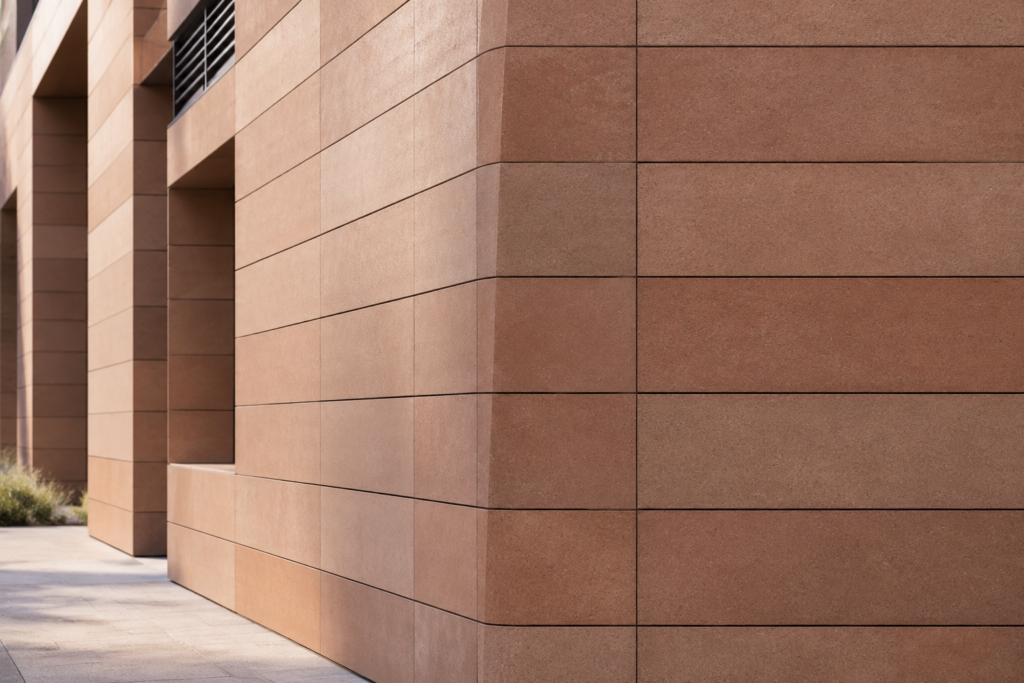
Application format Interior walls, exterior facades and suitable curved cladding
Customization OEM, ODM and private-label project support

Where Stone-Look Thin Veneer Panels Are Used


Stone-look veneer panels can support architectural and commercial applications where the project needs natural-stone character with a more flexible panel format. Review the application pages below to match the finish with the wall condition and construction system.

Interior Feature Walls

For reception areas, showrooms, hotels, museums, retail spaces and other interior architectural surfaces.

Exterior Facades

For exterior wall finishes where the selected panel, substrate and fixing details are reviewed for the project.

Curved Wall Cladding

For suitable columns, rounded walls and other curved architectural surfaces after the bend radius is confirmed.

Rainscreen Cladding Systems

For projects considering a stone-look finish within a rainscreen assembly, subject to system-level technical review.

Exterior applications and rainscreen assemblies should be reviewed according to the selected panel, substrate, fixing method and project construction details. The panel is a decorative cladding layer, not a structural wall system.

chiseled stone with intricate beige, black, and orange patterns under natural light
Person placing flexible stone tile on wall near window

Substrates and Installation Overview

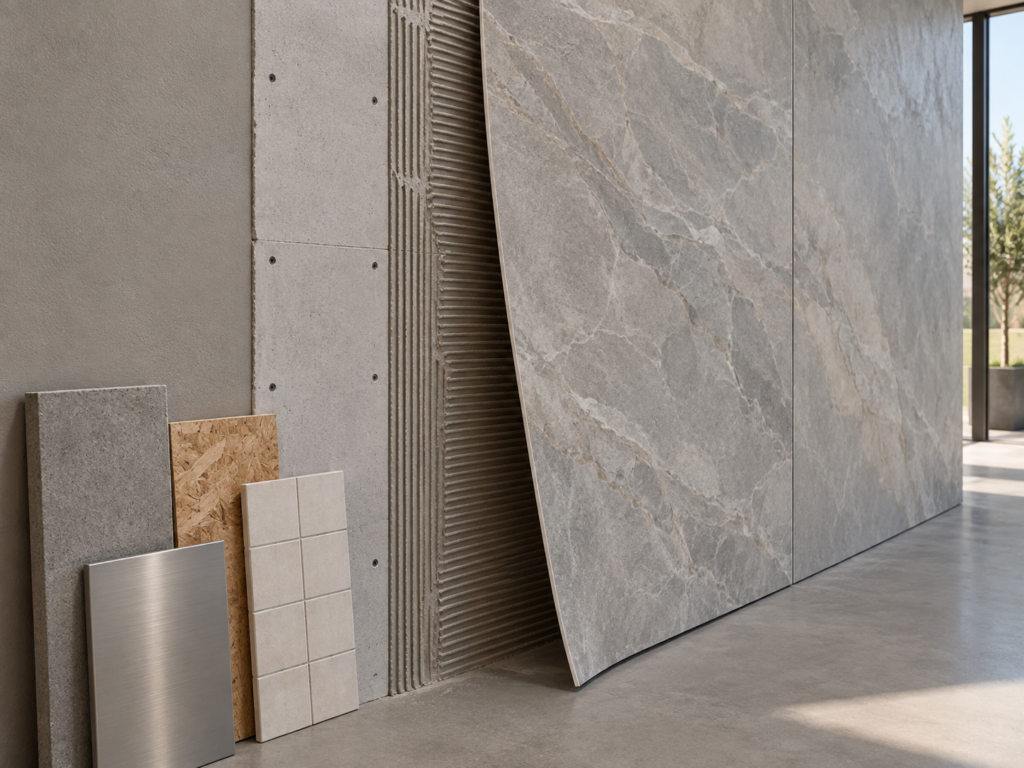
Angtai panels are non-structural cladding installed over a prepared substrate and rely on the wall or facade system behind them for support.

Suitable substrates include concrete, cement board, OSB, firmly bonded existing tile, aluminum-composite panel, calcium-silicate board and plate metal. The substrate must be clean, dry, level and stable. Smooth surfaces may require an interface coat for adhesive bonding.

For curved applications, confirm the bend radius against project dimensions before production. For fire-related requirements, review non-combustible wall panels and assess the complete wall assembly rather than the decorative surface alone. Also check the advantages and limitations of flexible stone wall panels before final selection, especially for demanding substrate, edge-cutting or maintenance conditions.

PROJECT PLANNING

What Affects the Final Selection and Price?

The right finish depends on more than the stone pattern. Panel size, series, required quantity, substrate condition, installation method, edge treatment, project location and delivery requirements can all affect the final specification and quotation.

For a practical overview of cost drivers, see flexible stone pricing factors. If the project requires certified genuine natural material, specify that requirement at the beginning so the appropriate thin-cut veneer or other material can be reviewed instead.

Because flexible stone panels are thin and lightweight compared to natural stone slabs, they typically reduce freight weight and installation labor — direct adhesive application replaces mortar-bed setting. For a full side-by-side on when that trade-off makes sense versus natural stone or other cladding, see flexible stone vs. alternatives.

How to Order — From Inquiry to Installation

Share Your Project Brief

Send your project specs; we typically respond with a quote within one business day after complete project details are received.

Review the Quote and Sample

Quotes are typically returned within 24 hours after complete project details are received. Samples can be arranged after price confirmation, with courier charges paid by the buyer.

Confirm Production

After order confirmation, production usually takes 25–30 days. T/T and L/C payment terms are available, with OEM and ODM support for project-based orders.

Person placing flexible stone tile on wall near window

Natural Stone Thin Veneer Questions

What is natural stone thin veneer?
Natural stone thin veneer usually refers to genuine quarried stone cut or split to a reduced thickness for cladding. Angtai's products are flexible soft-porcelain/MCM alternatives with printed stone-look surfaces rather than quarried stone.
Are Angtai panels made from real natural stone?
No. Angtai panels use a flexible soft-porcelain/MCM base and water-based, inorganic, firing-free inkjet printing to reproduce marble, sandstone, slate and other stone-look finishes.
What stone types are available?
The collection is organized by stone-look type, including slate, marble and sandstone. Additional finishes can be reviewed according to the project brief and required appearance.
Can these panels be used on curved walls?
Yes. The flexible format can be used for suitable curved walls, columns and rounded architectural surfaces. The minimum bend radius should be confirmed before production. See the guide to curved wall cladding for application details.
How long does production take?
Production typically takes 25–30 days after order confirmation. Quotes are usually returned within 24 hours after complete project details are received.

Request a Quote for Your Stone-Look Panel Project

Share your application, dimensions, substrate, quantity and preferred stone-look direction. Angtai can review the material route, recommend a suitable panel option and prepare a project-based quotation.

Category

Explore Featured Categories

Select Your Language