By Jimmy
 21 Aug, 2026
 9 Minutes Read
Cladding is the outer layer applied over a building’s structural walls to protect it from weather, fire, pests, and general wear while giving it a finished appearance. It’s a separate system from the wall itself — cladding can be removed and replaced without touching the structure behind it, which is why so many material families compete for the same job.
The category spans natural materials like timber, brick, and stone; industrial materials like metal and glass; low-maintenance synthetics like vinyl; and manufactured materials that replicate stone at a fraction of the weight and installed cost. Climate exposure, fire code, structural load capacity, and lifetime maintenance all push toward different answers, and the right one depends on which of those constraints matters most on a given project.
Installed cost, dead-load weight, service life, and fire classification are the four numbers that actually separate one type of cladding from another. Figures below are typical ranges reported across the construction industry; actual pricing and weight vary by region, panel profile, and supplier.
| Material | Installed Cost ($/sq ft) | Weight (psf) | Service Life | Fire Performance |
|---|---|---|---|---|
| Wood / Timber | $8–$14 | 2–3 | 20–40 yrs | ASTM E84 Class C untreated; Class A with fire-retardant treatment |
| Brick (thin/manufactured veneer) | $10–$30 | 12–40 | 50–100+ yrs | ASTM E84 Class A / Euroclass A1, non-combustible |
| Metal (aluminum, steel, zinc) | $6–$12 | 1–3 | 40–60 yrs | ASTM E84 Class A / Euroclass A2-s1,d0; NFPA 285-compliant assemblies common |
| Vinyl / uPVC | $3–$8 | <1 | 20–40 yrs | ASTM E84 Class B, combustible, softens near sustained heat |
| Fiber Cement | $7–$12 | 3–4 | 25–50 yrs | ASTM E84 Class A / Euroclass A2-s1,d0; often specified in NFPA 285-compliant assemblies |
| Glass | $35–$75+ | 5–8 (framed) | 30–50 yrs | Euroclass A1, non-combustible; requires NFPA 285-compliant framing |
| Natural Stone / Stone Veneer | $12–$50 | 8–40 | 50–100+ yrs | ASTM E84 Class A / Euroclass A1, non-combustible |
Timber cladding is boards or planks — cedar, larch, oak, and heat-treated softwoods are common species — fixed horizontally, vertically, or diagonally to battens. It gives a warm, natural finish and is one of the more workable materials for DIY installation, but it needs annual staining or oiling to resist rot, insect damage, and UV graying. Untreated timber only reaches ASTM E84 Class C; fire-retardant treatment can push it to Class A where code requires it.
Brick cladding is a thin veneer of masonry units — lighter than structural building brick — fixed to the wall face for a traditional, textured look. It’s non-combustible (ASTM E84 Class A / Euroclass A1) and largely maintenance-free once installed, with a service life that regularly exceeds 50 years. The trade-off is dead load: full masonry veneer at 35–40 psf typically needs ties and a supporting ledge, while manufactured thin brick at 12–15 psf avoids most of that structural burden.
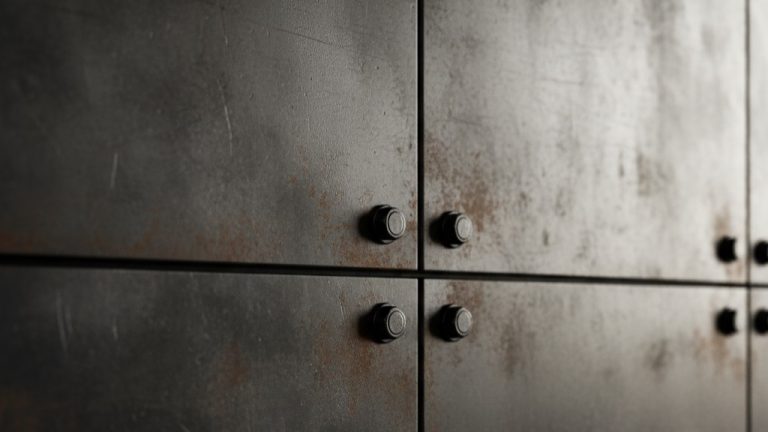
Metal skins are inherently non-combustible, but coatings, insulation, cores, membranes and the complete wall assembly can change the applicable fire classification. Verify the selected product and assembly reports rather than assigning blanket ASTM or Euroclass ratings; published panel weights also vary by gauge, profile and backing. Bare steel can corrode without coating, and metal conducts heat, so a thermal break belongs in the wall assembly. For projects where structural load is the real constraint, lightweight cladding materials is worth comparing before committing to a heavier alternative.
Vinyl or uPVC cladding is extruded plastic panels, usually in a lap or shiplap profile, snapped together over a batten frame. At under 1 psf and $3–$8 per sq ft installed, it’s the lightest and cheapest option here, with near-zero maintenance beyond occasional washing. It only reaches ASTM E84 Class B, remains combustible, and can warp or discolor under sustained high heat since it’s a thermoplastic.
Fiber cement cladding is a composite of cement, cellulose fibers, and sand, formed into boards that often carry a wood-grain texture. Some fiber-cement products carry ASTM E84, Euroclass or assembly-level NFPA 285 documentation, but classification, weight and service-life claims are product-specific. Request the selected manufacturer’s report, thickness and warranty rather than applying one rating or lifespan to the whole category. Anyone weighing a Class A rating against actual code requirements should understand non-combustible meaning as a building-code term before finalizing a spec.
Glass cladding — structural glazing, spandrel panels, curtain-wall systems — is almost exclusively a commercial material used for sleek, transparent office and retail facades. It’s Euroclass A1 non-combustible but demands NFPA 285-compliant framing and specialized crews, and at $35–$75+ per sq ft it’s the most expensive material in this comparison by a wide margin. Framed weight runs 5–8 psf, and gaskets and sealants typically need replacement well before the glazing itself fails.
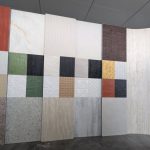
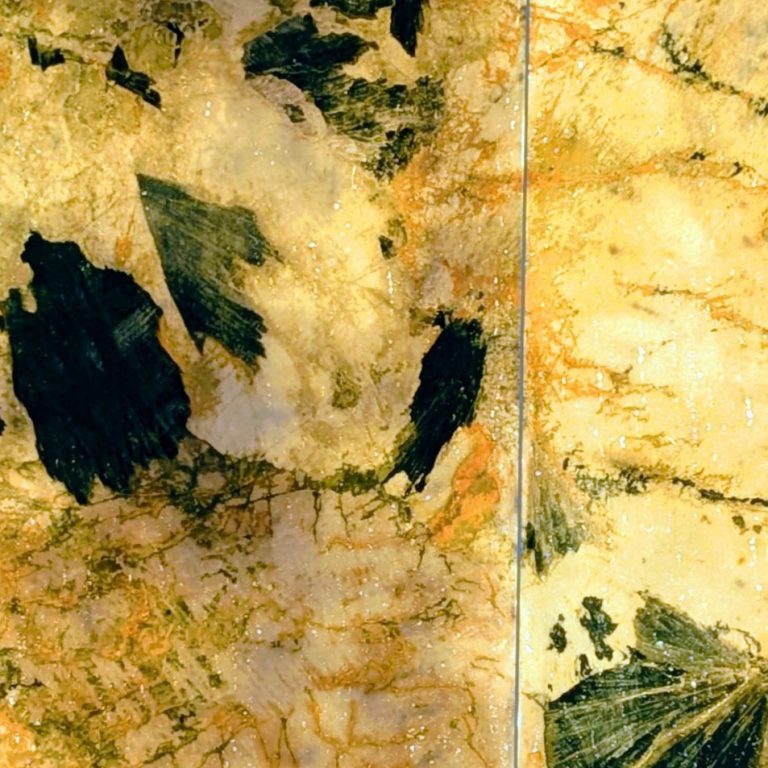
Natural-stone combustibility, weight and service life depend on stone type, thickness, anchorage and the complete wall system. Request product- and assembly-specific documentation rather than applying blanket ASTM/Euroclass ratings or lifespan figures to every slate, sandstone, granite or limestone product. Where structural load is important, compare verified kg/m² and support requirements for full-depth, manufactured and thin stone veneer options.
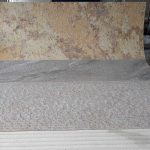
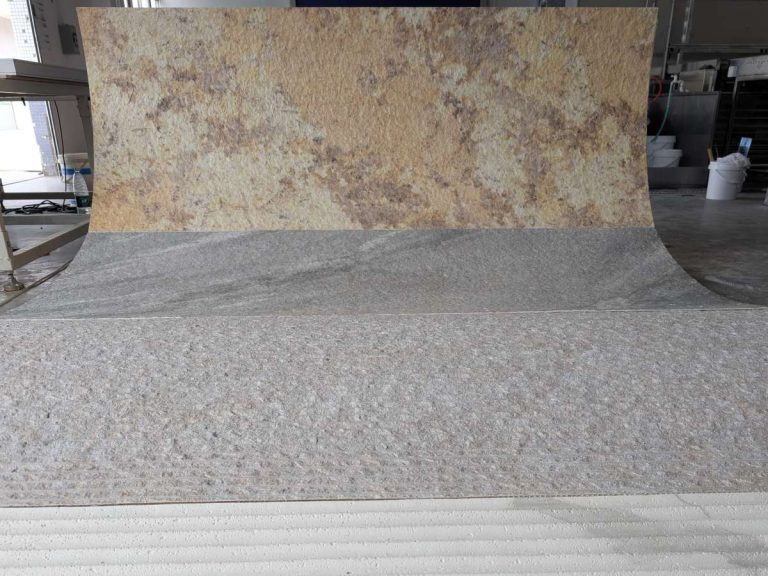
Modified clay material (MCM), also called soft porcelain or flexible stone, is a thin, non-fired, water-based inkjet-printed material that replicates travertine, slate, and other stone patterns without the weight or rigidity of quarried stone. Its smooth, inkjet-printed surface sheds dirt and grime during rainfall — a easy-clean property that keeps manual washing to a minimum; request the applicable report and model scope. Because it’s flexible, it can wrap curved walls and irregular surfaces that would crack a rigid veneer, and it bonds directly to substrates like concrete, cement board, OSB, aluminum-plastic panel, and existing tile. For the exact adhesive sequence and substrate prep, the flexible stone installation guide walks through base preparation, bonding, and edge-trimming in order.
Material and installation method are two separate decisions. Most materials above — metal, fiber cement, stone veneer, MCM — can be installed either face-sealed directly to the wall or as part of a rainscreen, where the cladding sits on battens with a ventilated cavity behind it. That cavity lets moisture drain and evaporate instead of soaking into the wall assembly, which is why rainscreen has become the default recommendation for exterior walls in wetter climates and taller buildings. rainscreen system guide covers how the cavity, battens, and fixings interact across different cladding materials.

Exterior cladding is engineered first for weather resistance, UV stability, and fire performance, since it’s the building’s first line of defense against rain, wind, and sun. Interior cladding answers a different brief — design impact, acoustic performance, and a clean, dust-free install matter more than freeze-thaw resistance or UV fade. The same base material can sometimes serve both roles, but formulation and fixing method usually differ. For lobbies, retail interiors, and hospitality feature walls, interior stone wall panels are built around that install-and-finish simplicity rather than weatherability.
Five factors decide which cladding family fits a project, roughly in this order:
Readers narrowing toward stone-look cladding specifically can work through the sub-decisions — veneer thickness, substrate compatibility, panel format — in the exterior stone panels guide. Once climate, code, and budget point to a shortlist, it’s worth talking to a factory representative directly before finalizing a spec, since panel availability and substrate compatibility can eliminate an option that looked fine on paper.
Once a material family is chosen, sourcing matters almost as much as the material itself: two suppliers selling the “same” product can differ in consistency, lead time, and technical support. Working directly with a manufacturer rather than a reseller usually means more control over customization, batch consistency, and pricing on larger orders. For flexible stone and MCM specifically, artificial stone manufacturer covers what factory-direct sourcing looks like in practice.
If a project is far enough along to need sizing, substrate, or quotation detail, request a quote with the wall dimensions and application — indoor, outdoor, curved, or flat — so the right product line can be matched to the job.
What kind of material is cladding?
Cladding isn’t one material — it’s a category of non-structural wall coverings that includes natural materials (wood, stone, brick), manufactured materials (fiber cement, vinyl, metal), and composite materials (MCM/flexible stone), all applied over a structural wall as a protective, decorative outer layer.
What is the difference between exterior and interior cladding?
Exterior cladding is engineered for rain, UV exposure, temperature swings, and fire code compliance. Interior cladding prioritizes appearance, acoustic performance, and easy installation since it doesn’t face weather. Some materials are formulated differently depending on which application they’re built for, even when the visual style looks similar.
Is cladding the same as siding?
“Siding” and “cladding” describe the same function — an outer wall covering — but siding is the term more common in North American residential construction, while “cladding” is used more broadly across commercial, industrial, and international construction for any exterior or interior wall-covering material or system.
What is metal cladding used for?
Metal cladding — aluminum, steel, or zinc panels — is used mainly on commercial, industrial, and modern residential buildings where fast installation, non-combustibility, and low dead load matter more than a natural material look. It’s common on warehouses, office facades, and contemporary architectural exteriors.
 Guidelines
 Guidelines
 Guidelines
 Guidelines
 Guidelines
 Guidelines