By Jimmy
 21 Aug, 2026
 6 Minutes Read
Four numbers decide this choice before aesthetics even enter the conversation: how many pounds per square foot your wall or substrate can carry, how tight a radius the material has to wrap around, what fire behavior your code official will sign off on, and how far the installed cost can stretch. Thin stone veneer — real quarried stone sliced thin enough to skip a structural footing — answers the weight question well but stays rigid on curves. Manufactured stone, faux stone/FRP, flexible stone (soft porcelain/MCM), porcelain, and vinyl each answer that same set of questions differently.
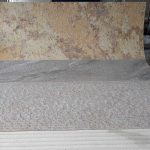
“Stone veneer” is the umbrella term covering two categories: thin-cut natural stone and manufactured (cultured) stone. Thin stone veneer means the real thing — quarried stone sliced down until it stays under the roughly 15 lb/sq ft threshold most building codes use to decide whether a wall needs a structural footing behind it. That keeps installation simpler than full-depth stonework, but the material is still rigid, still shows natural mineral variation panel to panel, and still can’t bend around a curve. Thin & Lightweight Stone Veneer Panels apply that same rigid, quarried-stone profile to interior and exterior walls.
Cast from portland cement, sand, and iron-oxide pigment poured into rubber molds, manufactured stone veneer stays well under that same 15 lb/sq ft footing threshold — often by casting a hollow-backed shell rather than a solid slice. That thinner shell is also its weak point: corner and edge chipping from a single hard impact is the most common warranty callback, and if flashing behind the panel fails, trapped moisture can spall the face within two winters of freeze-thaw cycling. Sandstone Veneer Panels Pros, Cons & Durability covers how a natural sliced-stone finish holds up against that same impact and moisture exposure.
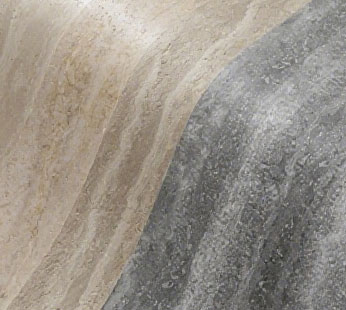
A faux stone panel is a molded polyurethane or fiberglass shell wrapped around a foam core, typically weighing only 1–2 lb/sq ft — light enough to skip structural backup entirely. The trade-off is the foam core itself: it’s combustible, and most building codes cap foam-plastic exterior finishes at roughly 40 feet above grade unless the full assembly passes NFPA 285 fire testing. Faux Stone Sheets are built to that lower-height, lower-budget tier rather than mid-rise or fire-rated work.
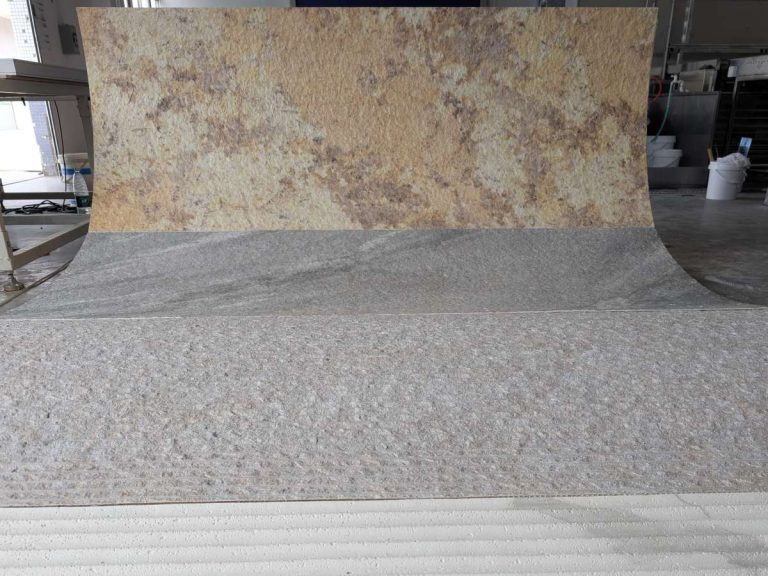
Flexible stone — also called soft porcelain or MCM — is a thin tile that can conform to curved and irregular substrates within the specified bend radius, which rigid stone and ceramic categories cannot do. Selected models are rated for -40°C to 150°C, freeze-thaw performance and Grade 4 wear resistance. It installs by direct adhesive over concrete, cement board, OSB or plate metal, with no mortar bed. flexible stone panel trade-offs covers substrate preparation in more depth, since proper surface preparation is essential for reliable adhesion.
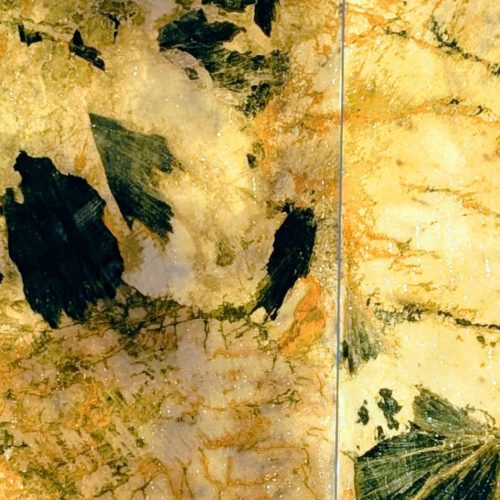
Large-format porcelain cladding panels are fired slabs, typically 6–12mm thick, prized for color and size consistency batch to batch. They’re rigid: install one over a substrate that deflects beyond the L/360 ratio standard tile installers design to, and the slab cracks rather than flexes. Lightweight Cladding Materials weighs porcelain’s rigidity against other low-weight options for projects that don’t involve curves.
Vinyl siding is the lightest option here, at roughly 1 lb/sq ft, and the cheapest to install. It’s residential-only and the least convincing stone likeness of any category, and it softens and warps once surface temperatures pass about 165°F — a real risk for dark colors or walls facing reflective windows.
| Material | Weight vs. 15 psf Footing Threshold | Curve/Flex Capability | Fire Behavior | Honest Failure Point | Installed Cost Tier |
|---|---|---|---|---|---|
| Thin stone veneer | At or near the threshold | Rigid, no flex | Naturally fire resistant | Rigid — cracks under substrate movement | Premium |
| Manufactured/cultured stone | Well under the threshold | Rigid, no flex | Cementitious, fire resistant | Corner chipping; spalling within two winters if flashing fails | High |
| Faux stone (FRP/foam) | ~1–2 lb/sq ft | Rigid, minimal flex | Combustible foam core, capped ~40 ft without NFPA 285 testing | Foam core scuffs/melts under sustained heat | Moderate |
| Flexible stone / soft porcelain (MCM) | Confirm model kg/m² and support requirements | Conforms within a specified bend radius | Request product/assembly fire report | Manufacturer-reported internal wear rating; test method on request | Project-dependent |
| Porcelain/ceramic | Moderate, panel-dependent | Rigid, no flex | Fired material, fire resistant | Cracks beyond L/360 substrate deflection | Moderate-High |
| Vinyl siding | ~1 lb/sq ft | Rigid, no flex | Softens/warps above ~165°F | Warps in direct heat/reflected sun | Lowest |
Exact installed pricing swings by region, finish, and substrate condition; stone veneer cost breaks down what drives natural thin-cut stone pricing specifically.
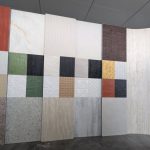
Curved or irregular walls rule out every rigid category above, leaving flexible stone as the only bendable option. High-rise ventilated facades add wind-load and fixing requirements on top of the weight question. Interior feature walls can usually take any of the five, so the decision comes down to budget and texture preference. Fire-rated or code-driven projects need to confirm fire behavior with the local official before specifying anything — Non-Combustible Wall Panels walks through what that conversation actually requires. Budget-driven exterior remodels typically land on faux stone or vinyl first, then move up a tier once corner-impact and heat-warp trade-offs get weighed against project life span.
What are some alternatives to stone veneer?
Manufactured/cultured stone, faux stone (FRP/foam) panels, flexible stone/soft porcelain (MCM), porcelain/ceramic cladding, and vinyl siding are the five categories, each trading weight, curve capability, or fire behavior for a lower installed cost than natural thin-cut stone.
What is the main difference between stone veneer and thin stone veneer?
“Stone veneer” covers both natural and manufactured products; “thin stone veneer” means real quarried stone sliced thin enough to stay under the footing-triggering weight threshold most codes use, while still showing the mineral variation manufactured stone can’t replicate.
What are the disadvantages of stone veneer?
Weight, installed cost, and moisture risk behind poorly flashed panels are the main drawbacks — cracking and spalling generally trace back to trapped water, not the stone itself. interior stone panel trade-offs covers how that risk plays out on interior installs specifically.
Is thin stone veneer more expensive than the alternatives?
Generally yes — natural material and skilled masonry labor put it above manufactured stone, flexible stone, and faux panels on installed cost. Flexible Stone Price Guide breaks down where flexible stone lands against that natural-stone price point.
—
Ready to specify flexible stone for a curved wall, code-sensitive project or budget remodel? Send the application, substrate and wall dimensions for project-specific pricing.
 Guidelines
 Guidelines
 Guidelines
 Guidelines
 Guidelines
 Guidelines