 By Jimmy
 21 Aug, 2026
 8 Minutes Read
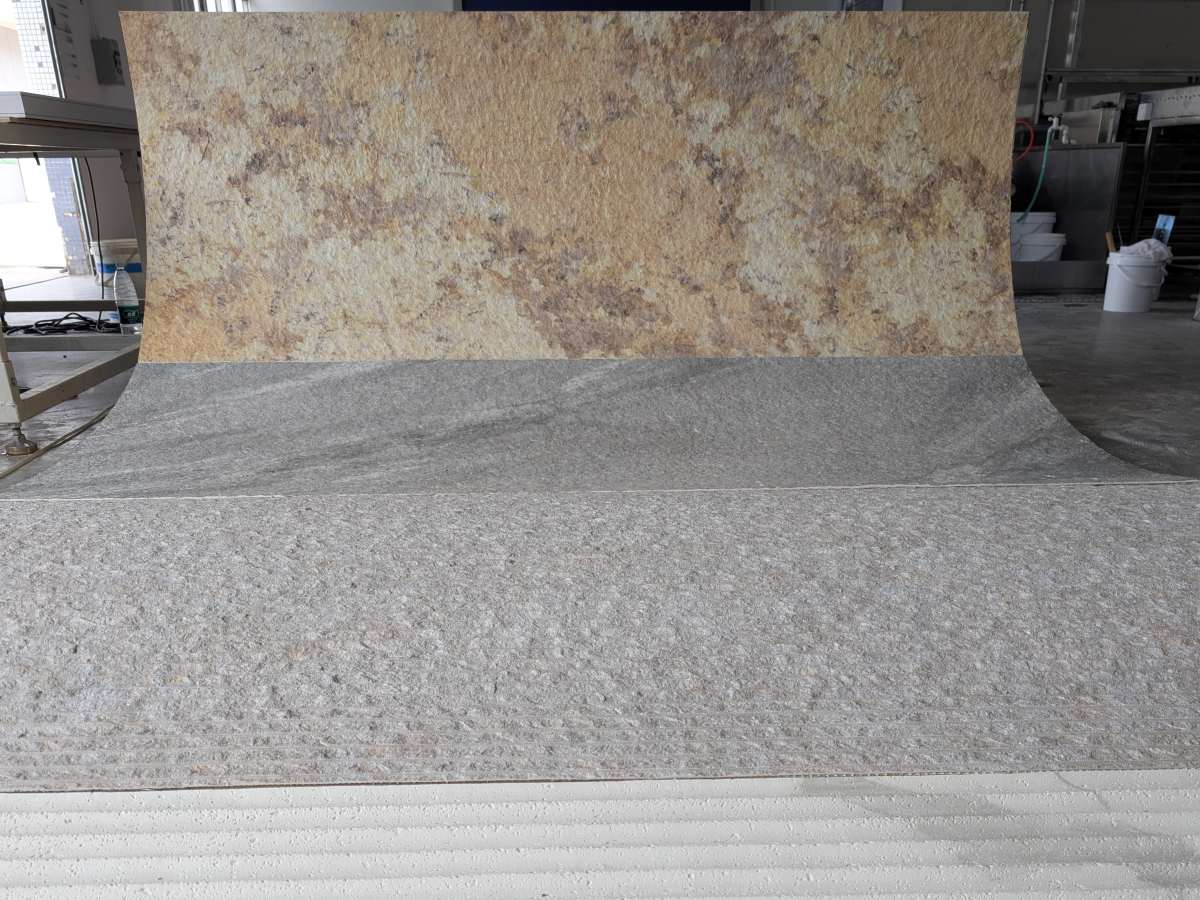
Modified clay material — shortened to MCM — is a composite wall-covering made from mineral and clay-based powders pressed into thin, flexible sheets rather than fired into rigid tile. The surface is molded to replicate natural stone, brick, slate, or wood grain, then cut into panels that adhere directly to a wall. Because the sheets are thin and pliable, they bend around columns and curved surfaces where solid stone or rigid tile can’t go.
The term overlaps heavily with “soft porcelain” and “flexible stone” — different manufacturers and markets use different labels for the same underlying material category, which is the source of most of the confusion around the word.
Across the industry, MCM is typically built from a blend of:
Angtai does not publish exact ratio percentages for its mineral blend — that’s treated as proprietary across the industry, and this is an honest gap rather than a hidden one. What is confirmed is the manufacturing method: the mineral base is pressed rather than kiln-fired, then finished using water-based, inorganic, non-fired inkjet printing technology to set color and texture. Angtai’s soft porcelain and MCM material line applies this process across named series — Travertine, Slate, and Flowstone among them.
The defining manufacturing difference between MCM and traditional clay products is heat. Conventional clay-based building materials — ceramics, terracotta, earthenware — are shaped and then kiln-fired at high temperatures until the clay body vitrifies into a hard, brittle mass. That vitrification step is what makes traditional fired-clay materials heavy, rigid, and prone to shattering on impact.
MCM skips that step. The mineral-and-binder mixture is molded and processed at low temperature rather than kiln-fired, which is why the finished sheet stays flexible instead of turning glass-hard. Angtai runs this process across four dedicated soft porcelain production lines inside its 36,000 m² Foshan facility.
Two manufacturers can both call their sheet “MCM” and still produce panels that perform very differently, because the mineral blend, mold quality, and finishing process are proprietary to each factory. Angtai runs more than 30 process-testing checkpoints during production before a panel ships, backed by a technical team of 30+ R&D and technical-services specialists and a research partnership with South China University of Technology. Angtai’s infiltration ink also received the China Building Materials Science and Technology Progress Award in 2019, and the company holds national high-tech enterprise certification — both tied to the ink and coloring technology used across its product lines, not to the raw clay composite itself.
Largely, yes. In day-to-day industry use, “modified clay material,” “soft porcelain,” and “flexible stone” describe the same general product category and are frequently used interchangeably. Some suppliers favor “soft porcelain” as a more consumer-friendly label; others use “MCM” on technical spec sheets. “Flexible stone” often refers specifically to finished panels with a stone-look surface — a subset of what the broader MCM category produces.
The practical takeaway: a listing describing a thin, bendable, mineral-based wall panel under any of these three names is almost certainly the same underlying material family. MCM Wall Panels show what this material looks like once it’s finished and cut into ready-to-install panel form.
No. Polymer clay is a PVC-based modeling material sold in small blocks for sculpting, jewelry-making, and hobby crafts, cured in a home oven at low heat. MCM is an industrial construction material produced in factory sheets for wall cladding at architectural scale. The two materials share a word, not a use case: polymer clay has no structural or cladding application, and MCM is never sold as a moldable craft material.
The honest limitation: Angtai does not publish exact panel thickness or per-square-meter weight figures on its general specifications. Buyers running structural load calculations should request the technical data sheet for the specific series they’re considering — the general trade-offs against weight-driven alternatives are covered in the lightweight cladding materials guide, and full durability detail lives on the flexible stone wall panel pros and cons page.
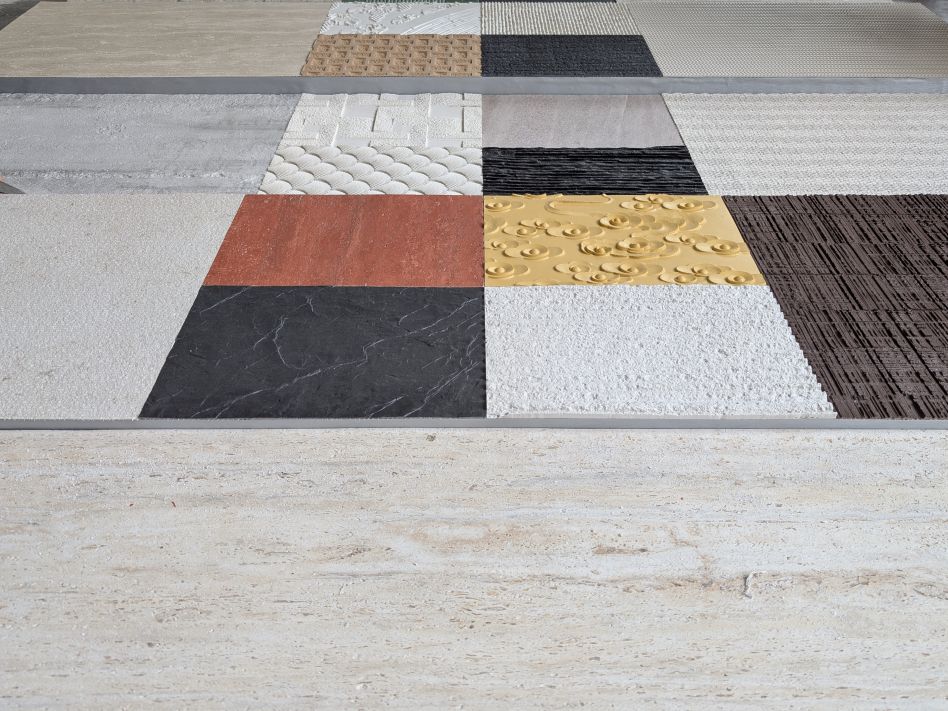
MCM panels are used most often on interior accent walls, exterior facades, and curved architectural features — anywhere a project wants a stone or brick look without the weight, brittleness, or installation complexity of the real material. Interior applications prioritize finish variety and quick adhesive installation, a use case detailed on the interior stone wall panels page. Exterior facades add weather exposure into the equation, which is where finish durability and adhesive bonding quality matter most. Angtai’s panels are applied with direct adhesive bonding onto prepared substrates, following the surface-prep and cutting steps in its installation guide.
| Material | Weight | Flexibility | Installation |
|---|---|---|---|
| MCM / soft porcelain | Significantly lighter than solid stone | Bends around curves and columns | Adhesive-applied, cuttable on site |
| Natural stone slab | Heavy, load-bearing consideration | Rigid, cannot curve | Mechanical fixing or mortar, skilled labor |
| Standard porcelain tile | Heavy relative to MCM | Rigid, prone to cracking under flex | Mortar-set, grouted joints |
A fuller side-by-side, including where each material still wins on a given project, is covered on the thin stone veneer vs. alternatives comparison.
MCM’s manufacturing process generally uses less energy than traditional ceramic production because it skips high-temperature kiln firing. Angtai’s ink technology carries a China Building Materials Science and Technology Progress Award (2019) and the company holds national high-tech enterprise status, both concrete markers of process quality. What Angtai does not claim is a specific green-building certification such as LEED or a published VOC rating for this material — treat any “100% natural” or “zero formaldehyde” claim from any supplier as one to verify against actual test documentation, not an industry-wide standard.
What is modified clay material?
Modified clay material (MCM) is a composite wall-covering made from mineral and clay-based powders pressed into thin, flexible sheets rather than kiln-fired. It’s molded to replicate stone, brick, and other natural finishes, then cut into panels for interior and exterior wall cladding.
What are materials made from clay called?
Traditional clay-based building materials are called ceramics, terracotta, or earthenware — all shaped and then kiln-fired at high heat until the clay body hardens. MCM skips that high-temperature firing step, which is what keeps it flexible instead of brittle.
How durable is Phomi material?
Phomi is one branded soft-porcelain/MCM product on the market, and its published durability figures are specific to that manufacturer’s own testing — not a universal MCM standard. Durability varies by factory, mineral blend, and finishing process, so compare test data directly rather than assuming all MCM brands perform the same; see the flexible stone wall panel pros and cons page for what to check.
What is polymer clay made of?
Polymer clay is a PVC-based modeling material used for crafts, sculpting, and jewelry-making, cured in a home oven. It shares the word “clay” with MCM but is chemically and functionally unrelated — it has no wall-cladding application.
How much does modified clay material cost?
Cost depends on finish, format, and order volume. The flexible stone price guide lists current factory-direct rates by finish and quantity, with quotation responses typically issued within one business day after complete project details are received.
Is MCM the same thing as soft porcelain?
Yes, in most industry usage. “MCM,” “soft porcelain,” and “flexible stone” refer to the same general material category and are used interchangeably across manufacturers, though individual suppliers sometimes apply the terms slightly differently on their own spec sheets.
Once the terminology is clear, the practical next step is checking panel formats and finishes. MCM Wall Panels covers the ready-to-install product itself; sizes run from 600×1200 mm up to 1200×3000 mm depending on series, and free samples ship after price confirmation with the customer covering express shipping. Send the required sizes and finish preferences to request pricing and sample availability before placing an order.
 Guidelines
 Guidelines
 Guidelines
 Guidelines
 Guidelines
 Guidelines