By Jimmy
 21 Aug, 2026
 6 Minutes Read
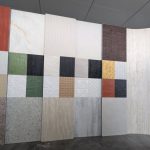
"Sandstone veneer panels" isn't one product — it's three unrelated ones sharing a marketing term: real quarried stone sliced thin, cement cast into stone-look molds, and flexible composites that bend around corners. Each has a different weight, install method, and price tier, and mixing them up leads to spec mistakes before you ever open a Sandstone Veneer Panels sheet or request a quote.
Sandstone veneer is any thin decorative surface layer that carries sandstone's warm tones, grain, and mineral texture without the weight or thickness of full masonry construction. It sits within the broader range of cladding options available for interior feature walls and exterior facades — but "veneer" only tells you the wall stays lighter than solid stone. It doesn't tell you what the panel is actually made of, which is where the three families below diverge.
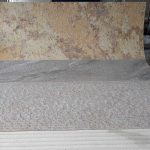
Natural quarried thin-cut sandstone — sold in the trade as natural stone veneer sheets — is real sandstone cut into thin slabs, typically running roughly 3/4 inch to 1 1/2 inches thick and weighing in the range of 10–15 lbs per square foot depending on the quarry and cut. It carries authentic mineral variation and color depth, but it's the heaviest of the three families, requires masonry-grade skill and mortar or heavy-duty adhesive to install, and every panel varies slightly from the next — plus it costs the most per square foot once quarrying, cutting, and freight weight are factored in.
Cast from Portland cement, lightweight aggregate, and iron oxide pigment poured into molds taken from real stone, cultured stone panels typically run about 1 to 2 inches thick and weigh less than quarried stone — roughly 6–9 lbs per square foot, though exact figures vary by manufacturer. It's more consistent panel-to-panel and generally costs less than natural stone, but it's rigid: it can't wrap a curve or bend around a column, and it will chip to reveal concrete underneath over time.
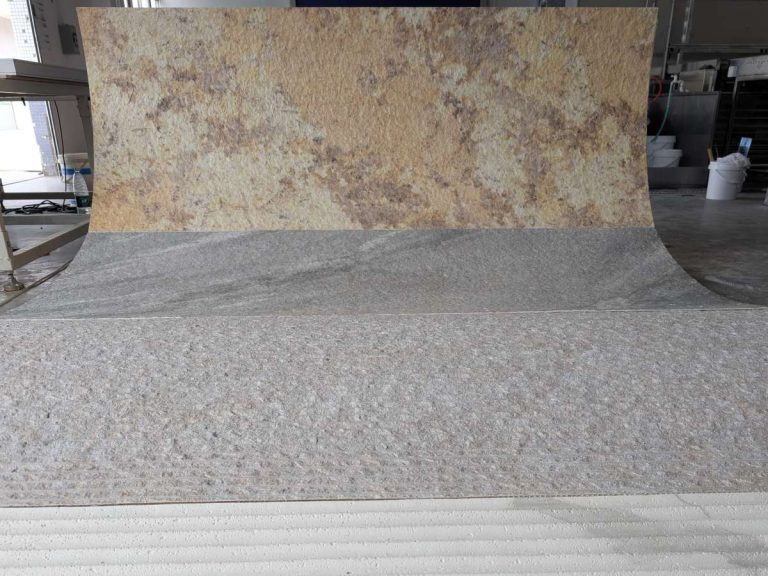
This is the modern faux-stone answer for anyone who doesn't want real stone's weight or cement's rigidity. Flexible stone tiles — also called soft porcelain or MCM material — use inkjet-printed inorganic ink over a bendable base, so they can conform to curves and irregular surfaces within the specified bend radius. Because the base material is thinner and lighter than quarried or cast stone, freight and installed cost typically run lowest in this family — Angtai's flexible stone line is built for extended outdoor exposure without fading, tolerates a wide temperature range, and is manufactured with a rain-washable, easy-clean surface and fire-resistant properties per product specifications. Browse the format as faux stone sheets or stone-look wall panels, and check the flexible stone wall panel pros and options before specifying.

Thin veneer panels — whether natural, cement-based, or flexible — run a fraction of full-bed stone's thickness, so they weigh less, mount with adhesive instead of structural footings, and cost less to ship and install. Full-bed stone still wins where load-bearing masonry is the actual goal, not a decorative surface. thin stone veneer alternatives weighs the cost and structural trade-offs across all the options in detail.
Match the family to your constraints, not the other way around:
Still unsure which family fits your project? Contact Angtai directly for factory-side guidance.
Flexible stone/soft porcelain panels install by adhesive, not mortar or mechanical fasteners. The substrate must be level, clean, dry, and firm — free of dust, oil, or loose particles — with an interface agent applied on smooth walls to improve adhesion. Adhesive goes on the panel back, the panel is pressed into place, temporarily fixed while it sets, and trimmed to size before cleaning residue.
The exterior stone panels guide and the Angtai Flexible Stone Installation Guide detail the full step-by-step procedure, substrate options, and tool list.
What is the best faux stone veneer?
For weight, flexibility, and outdoor durability, flexible stone-look composites (soft porcelain/MCM) are the modern faux-stone option — they bend around curves and irregular surfaces where cement-based or natural stone can't. See the flexible stone wall panel pros and options page for full performance data.
Can sandstone veneer panels be used outdoors or on exteriors?
Yes, but suitability depends on the family. Flexible composite, natural and cement-based veneers all require product-specific confirmation of weathering, freeze-thaw, substrate and installation-system suitability before exterior ordering.
How do you install stone veneer panels?
Method depends on material: cement-based panels often use mechanical fasteners into a flange; flexible composite panels use adhesive over a prepared, clean, dry substrate with an interface agent on smooth walls. Natural thin-cut stone typically requires mortar or heavy-duty adhesive.
What is flexible stone veneer, and how is it different from regular stone veneer?
Flexible stone veneer is a bendable, lightweight panel — often soft porcelain/MCM — that can conform to curves and irregular surfaces within the specified bend radius. Regular (natural or cement-based) veneer is rigid and limited to flat or gently profiled surfaces.
What are natural stone veneer sheets made of?
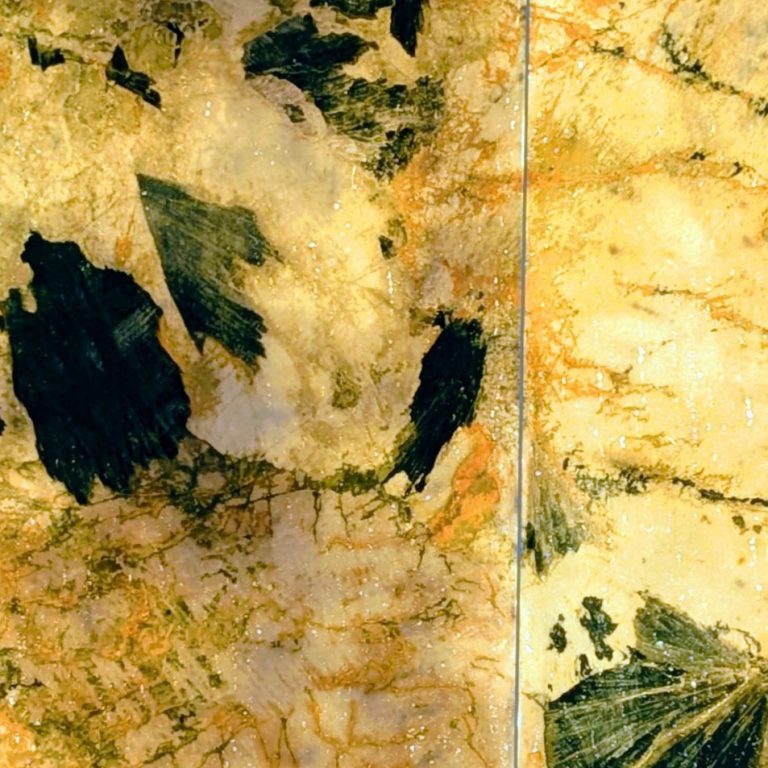
Natural stone veneer sheets are cut directly from quarried sandstone, limestone, or similar stone into thin slabs, retaining the mineral composition, grain, and color variation of the parent rock rather than being molded or printed.
How do you install stone veneer on an exterior wall?
Exterior installation requires confirming substrate suitability, weatherproofing details, and a material rated for outdoor exposure. Adhesive-based flexible panels need a level, clean, dry substrate and interface agent; mortar-set natural stone needs lath and a scratch coat instead.
Is sandstone veneer real stone or a manufactured look-alike?
Both exist under the same term. Natural quarried thin-cut sandstone is real stone; cement-based cultured stone and flexible composite panels are manufactured to look like sandstone without being sandstone.
What's the difference between sandstone veneer and full-bed sandstone?
Sandstone veneer is a thin decorative layer, lighter and adhesive-mounted; full-bed sandstone is solid, structural-thickness stone that carries load and requires masonry-grade footings and installation.
Ready to compare flexible stone panel options for your project? Visit Sandstone Veneer Panels or contact Angtai for factory-direct pricing and samples.
 Guidelines
 Guidelines
 Guidelines
 Guidelines
 Guidelines
 Guidelines